What Panic Bar Installation Actually Involves on a Commercial Door
Panic bar installation is more involved than swapping a residential lock, and the details matter for both code compliance and long-term reliability. The process begins with assessing the door itself: its thickness, material (hollow metal, aluminum storefront, wood), the existing prep cutouts, and whether the frame is equipped for surface-mounted or mortise-style hardware. A surface-mounted rim device fastens to the face of the door and latches onto a strike mounted in the frame — straightforward on most steel commercial doors. A mortise lock exit device, by contrast, requires a mortise pocket cut into the door edge, housing the full lock mechanism internally. This produces a cleaner profile and higher security, which is why you see mortise lock exit devices on higher-traffic or higher-security openings like bank lobbies, municipal offices, and medical facilities throughout Queens.
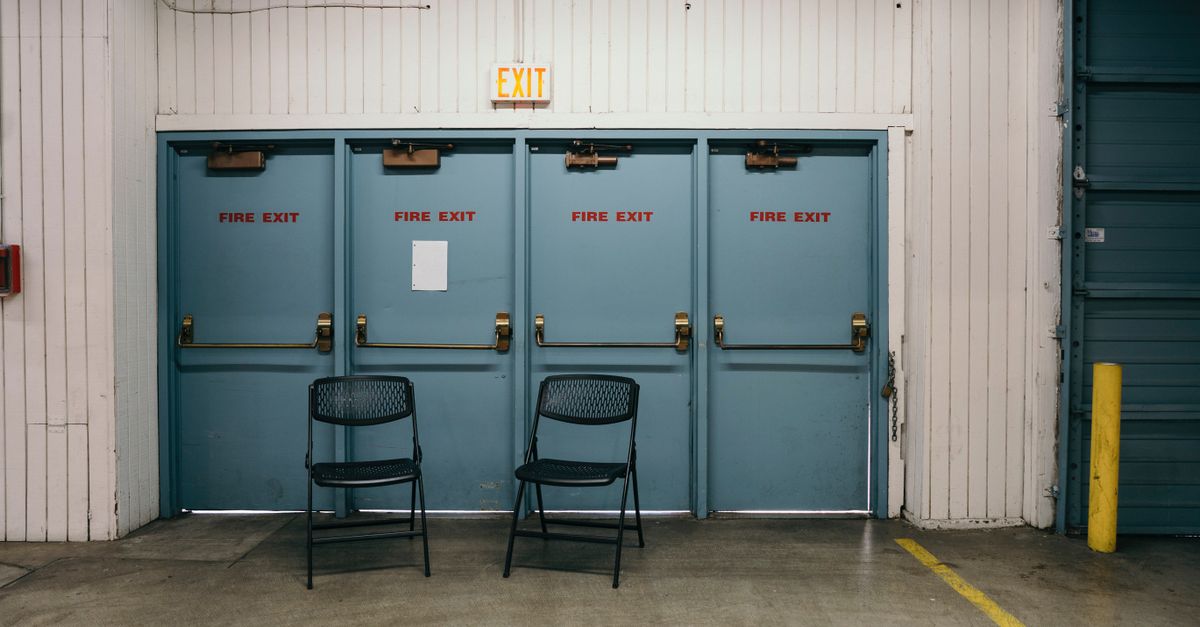
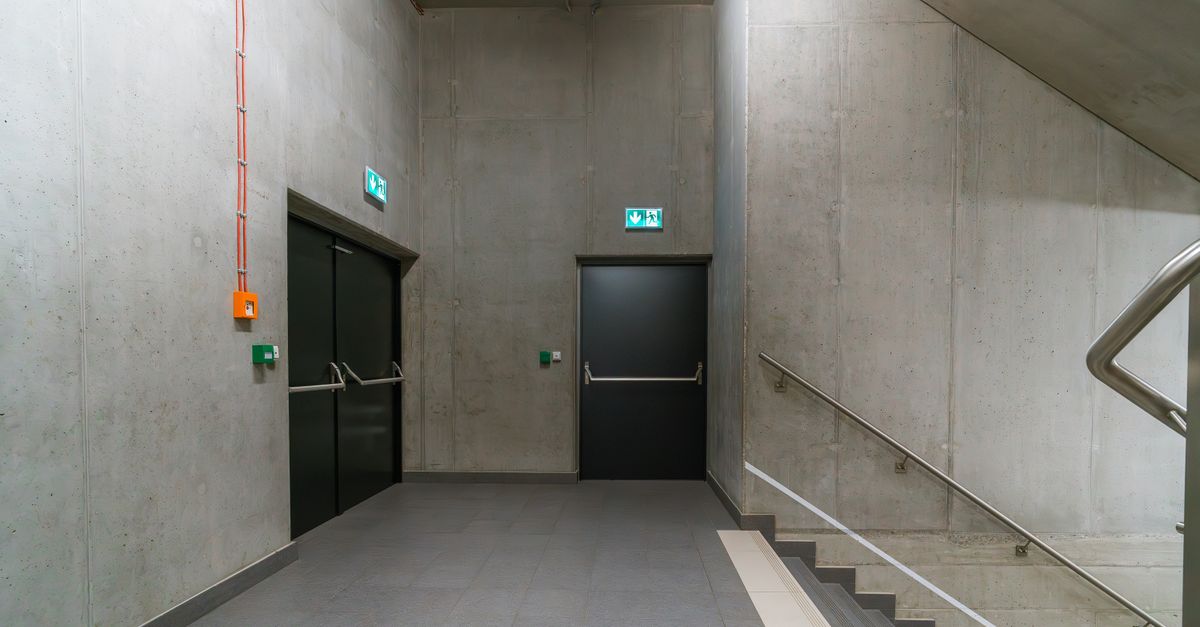
Our technicians are experienced with the full range of exit device types — rim, mortise, surface vertical rod (SVR), concealed vertical rod (CVR), and rim with deadbolt — as well as electric strike and electric latch retraction configurations for doors tied into access control systems. We carry hardware from trusted manufacturers so we can spec the right device for your door without sourcing delays. Every installation is checked for proper latch projection, dogging function (if applicable), smooth push-bar travel, and correct door-to-frame alignment before we leave the site. If the door itself is warped, has a damaged frame, or has a misaligned closer that causes the exit device to bind, we address those issues as part of the service rather than leaving you with a hardware problem that reappears in a week.