What a Transponder Key Actually Does — and Why Programming Matters
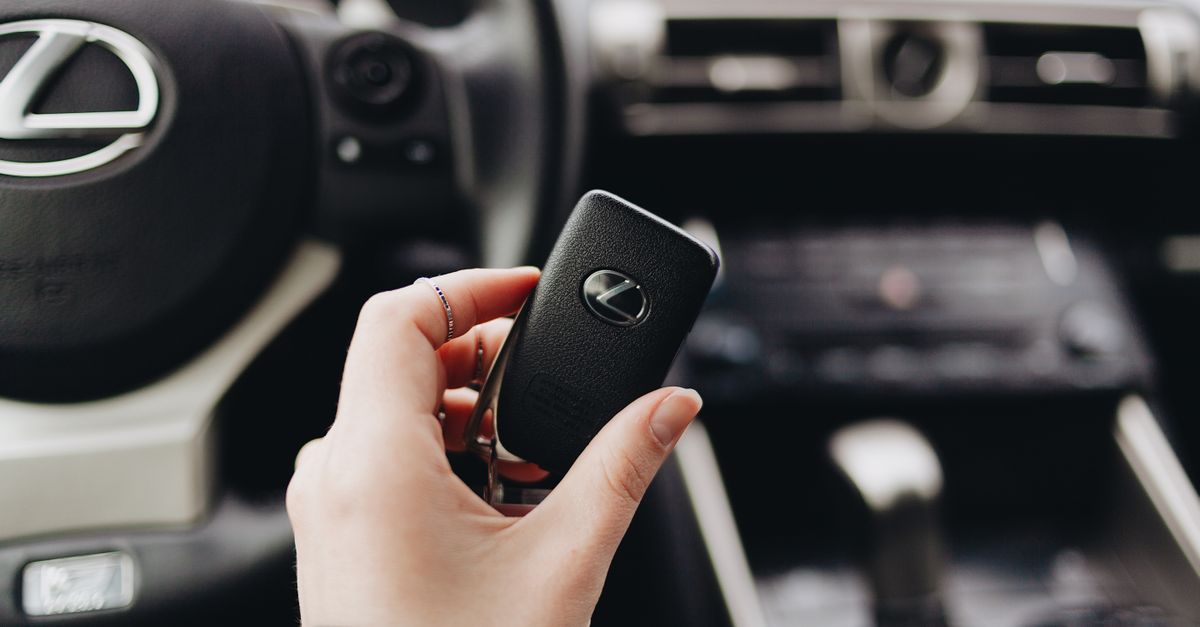
A transponder key contains a passive radio-frequency chip sealed inside the plastic head. When you insert the key and turn the ignition, a small antenna ring around the ignition cylinder sends a radio signal to that chip. The chip responds with a unique code, and only when your vehicle's Engine Control Unit recognizes that code does it allow the engine to fire. The mechanical blade shape and the electronic code must both be correct — one without the other leaves you going nowhere. This two-layer security system became standard on most passenger vehicles starting in the mid-1990s, and today virtually every new car, truck, or SUV on the road relies on it.
Because the programming step is as important as the physical cut, a key that looks identical to your original but has never been synced to your specific vehicle is useless for starting the car. Our locksmith technicians understand this distinction. We do not just duplicate the blade — we use dedicated programming equipment to write the correct codes into a compatible blank, then verify communication with your immobilizer system before we hand the key back to you. Damage-free where possible is our approach: we work through the vehicle's OBD port and onboard system rather than resorting to anything invasive.