How Car Key Replacement Works by Vehicle Make
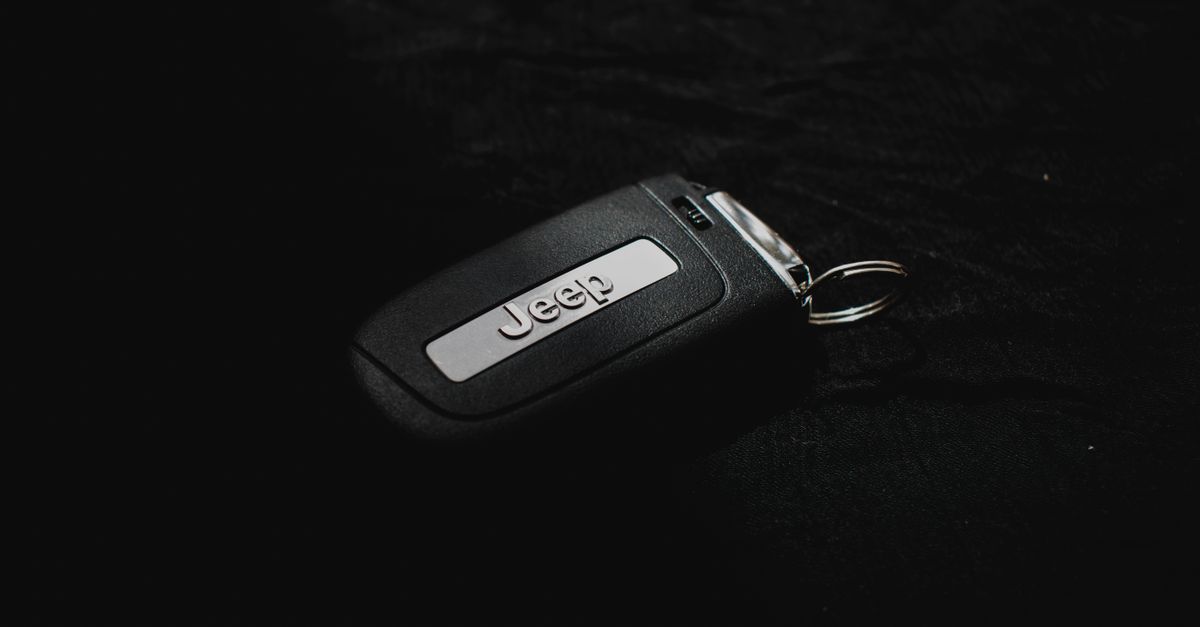
Not every key is created equal, and the process differs significantly depending on who manufactured your vehicle. For most General Motors vehicles — Chevrolet, GMC, Buick, Cadillac — our technicians use OBD-II programming interfaces to write the new transponder chip to the car's ECU, then cut the blade to the door and ignition profile on a code-cutting machine. Ford and Lincoln models, especially those built after 2011, often use a Passive Anti-Theft System (PATS) that requires a working key already present during programming or a direct module access procedure. Chrysler, Dodge, Jeep, and Ram vehicles frequently use Sentry Key Immobilizer technology, which similarly demands manufacturer-level programming tools to authorize a new key or fob. Our equipment covers all of these platforms without requiring us to tow your vehicle anywhere.
Japanese makes each carry their own protocols. Toyota and Lexus vehicles built from the mid-2000s onward use an 80-bit encrypted transponder that requires a specialized cloning or programming sequence — not a simple copy. Honda and Acura models shifted to an immobilizer system around 1998, and their smart entry fobs on newer Pilots, Odysseys, and Accords involve both RF pairing and transponder synchronization. Nissan and Infiniti Intelligent Keys need to be registered to the Body Control Module, a step that requires professional-grade software. For European vehicles — BMW, Mercedes-Benz, Audi, Volkswagen — the programming complexity increases further, often involving encrypted key data and, on some models, dealer-level adaptation. Our technicians are experienced across all of these platforms, and we will tell you honestly before we start exactly what the job entails for your specific year, make, and model.