What Commercial Storefront Door & Lock Repair Actually Covers
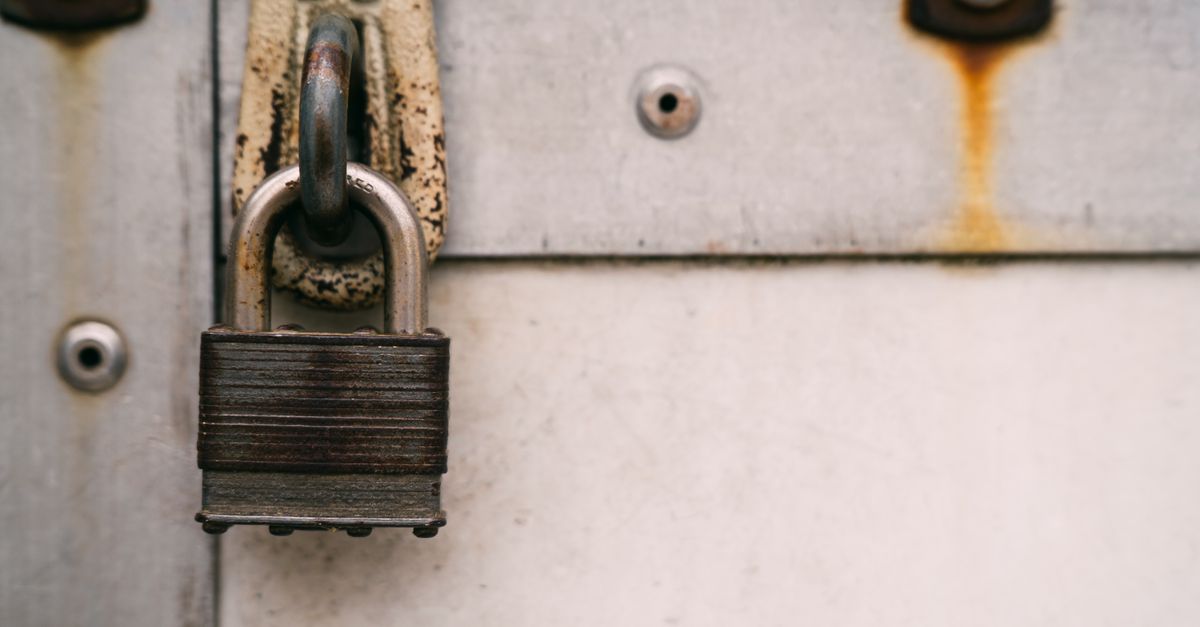
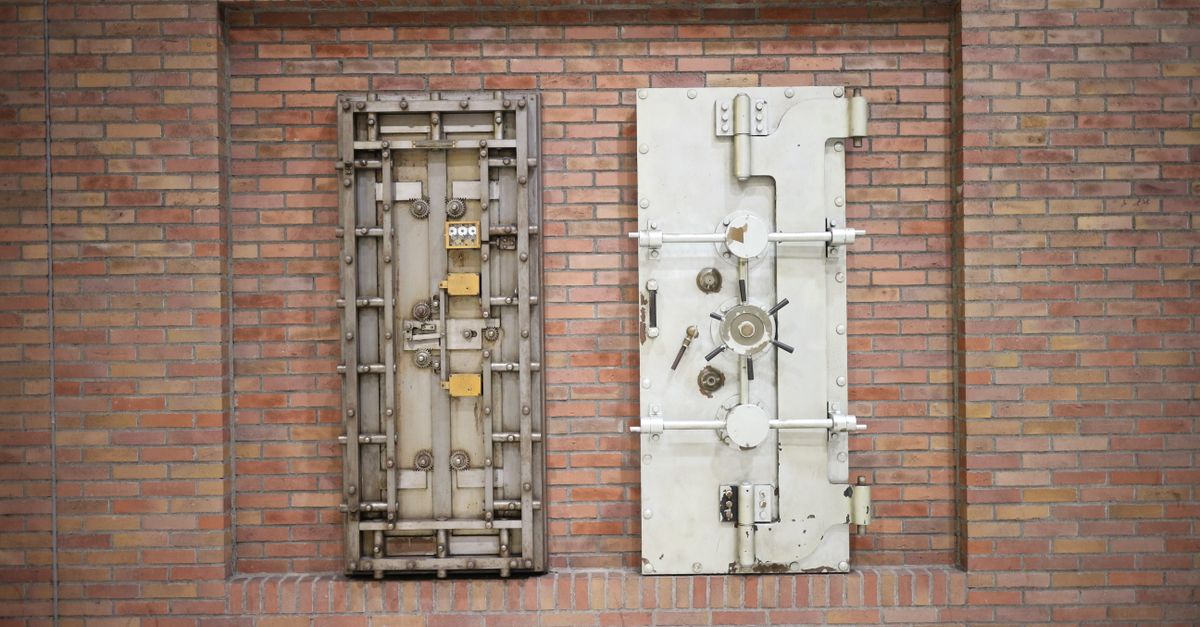
Commercial door hardware is a different discipline from residential work, and it matters that the technician who shows up understands the difference. A storefront door lock system typically involves a heavy-duty mortise lock body recessed deep into a metal or aluminum stile, a surface-mounted rim cylinder, or a multipoint locking mechanism built into a sliding glass door frame. Each type fails differently — the mortise door lock may have a worn cam or a broken tailpiece; the sliding door lock may have a misaligned strike plate or a snapped latch bolt; a swinging frameless glass door might have a pivot-hinge issue throwing the lock out of alignment altogether. Our technicians assess the exact failure mode before recommending any repair or replacement, which means you never pay for work that isn't necessary.
Beyond the lock cylinder itself, we service the hardware systems that make commercial doors function as a complete unit. That includes door closers — the hydraulic or pneumatic arms that control how fast and how firmly a door swings shut — as well as panic bars (also called crash bars or exit devices) required by fire and building codes in many Queens commercial occupancies. A panic bar that binds, a closer that slams instead of easing shut, or a closer that no longer holds the door closed against wind pressure are all problems we diagnose and resolve. We also handle keypad-based access systems: if staff need to know how to change the code on a keypad door lock after an employee departure, or how to change a door lock code following a security concern, we can walk through reprogramming on-site or replace the hardware entirely if the unit is no longer functioning reliably.