What Makes Hyundai Key Replacement More Complex Than It Used To Be
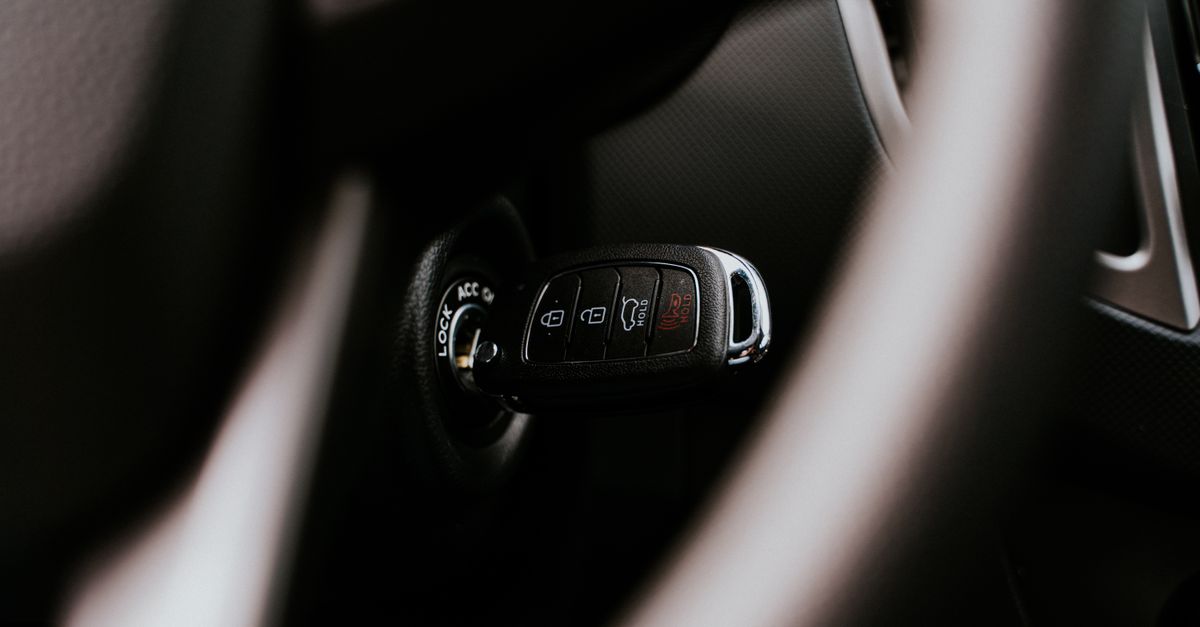
Hyundai has moved through several generations of key technology over the past two decades, and the type of key your vehicle uses has a direct impact on what the replacement process involves. Older Hyundai models used a basic metal key with no electronics. Mid-generation vehicles introduced transponder keys, which contain a small embedded chip that must be programmed to match your car's immobilizer — without that programming step, a correctly cut key will still not start the engine. Newer Hyundai models, including recent Elantra, Sonata, Tucson, and Kona trims, use proximity smart keys or key fobs that rely on rolling-code radio frequency communication. Losing one of these or having it fail electronically requires both a new physical key shell and a programming session performed with professional-grade equipment.
Remote head keys and push-to-start fobs also need to be paired to the vehicle's Body Control Module, a process that typically cannot be completed with off-the-shelf programming tools sold to the general public. Our technicians use automotive-grade diagnostic equipment to handle this pairing correctly for the specific Hyundai model and model year in question. The cost of a replacement depends on several factors: the type of key technology involved, the number of working keys already on file for the vehicle, the time of day we are called, travel distance within Queens, and whether replacement key hardware is sourced on-site from our mobile inventory. All of these variables are accounted for before we quote your final price.