Northern Blvd Locksmith Service Team
Local locksmith team
Aug 7, 2026 11 min read
If you own rental property anywhere from Jackson Heights to Jamaica, you already know that Queens landlords operate under some of the strictest housing codes in the country. What surprises many first-time landlords — and even seasoned ones — is just how specific New York City's rules are when it comes to locks, deadbolts, and door hardware. Get it wrong and you're looking at HPD violations, tenant complaints, and potential liability. Get it right and you protect your tenants, your property, and yourself.
This guide breaks down the actual NYC Housing Maintenance Code and Department of Buildings requirements that apply to Queens rental units, covers the most common lock types used in multifamily buildings along Northern Boulevard and beyond, and explains exactly when your obligations as a landlord kick in — including the scenarios where calling a professional locksmith is not just smart, but legally necessary.
## What NYC Law Actually Requires: Deadbolts, Rim Locks, and Door Hardware
New York City Administrative Code Section 27-2043 is the core rule every Queens landlord needs to bookmark. It requires that every apartment entrance door be equipped with a deadbolt lock — specifically a single-cylinder deadbolt with a bolt that throws at least one inch — along with a door knob or handle lock. The law also mandates a peephole viewer installed at eye level. These are not optional upgrades; they are minimum legal standards. Buildings constructed or gut-renovated after certain code update years may face additional requirements, so if your property is newer construction near the Queens Blvd corridor, it is worth verifying with the DOB directly.
The two most common compliant lock configurations you will find in Queens apartment buildings are the rim lock deadbolt and the mortise lock deadbolt. A rim lock deadbolt — the kind that surface-mounts on the inside face of the door — is the classic NYC apartment setup you have seen on virtually every pre-war building from Astoria to Flushing. A mortise lock deadbolt is built into a pocket cut into the door edge itself, providing an integrated latch and deadbolt in a single housing. Both configurations can meet code, but the installation must be correct. A mortise lock deadbolt stuck mid-throw because of a misaligned strike plate or a worn case is not just an annoyance — it is a potential code violation and a security liability. If that happens in one of your units, a professional locksmith should assess and repair it promptly rather than leaving tenants to force the mechanism.
## Rekeying After Tenant Turnover: A Queens Landlord's Obligation
One of the most overlooked legal requirements in Queens rental management is the obligation to rekey — or change — apartment locks between tenancies. NYC Housing Maintenance Code Section 27-2043(f) requires landlords to provide a new key or rekey the lock whenever a new tenant moves in. This is not a courtesy; it is the law. A previous tenant could have made copies of the key without your knowledge, and handing a new tenant a key that still works on the old cut is a genuine security and legal exposure.
In practical terms, this means every time you turn over a unit — whether it is a basement apartment in Woodside or a third-floor walk-up off Jamaica Avenue — a qualified locksmith should rekey or replace both the rim lock deadbolt and any secondary lock on the entry door. Rekeying is faster and typically involves less hardware than a full replacement, but there are situations where replacement makes more sense: if the existing locks are worn, if the door has been damaged, or if you are upgrading to a higher-security cylinder like an Abloy Protec2 or a Bilock jimmy proof deadlock deadbolt. Both are high-security options with patented keyways that make unauthorized key duplication extremely difficult — a meaningful upgrade for landlords managing multiple units or high-turnover properties. If you want a professional assessment of which lock tier makes sense for your building, call 718-568-8697 and our team can walk through the options with you.
## Self-Closing Doors, Vestibule Rules, and Building-Wide Compliance
Beyond the individual apartment door, Queens landlords must also comply with NYC rules governing building entry doors and vestibules. The Housing Maintenance Code requires that the main entrance door to any multiple dwelling be self-closing and self-locking — meaning it cannot be propped open and must latch automatically. This applies to the outer vestibule door as well. Buildings that have had HPD inspections on Northern Boulevard or in neighborhoods like Corona and Elmhurst frequently receive violations specifically for broken door closers, non-latching vestibule locks, and damaged intercom-release hardware.
The door closer mechanism itself is a separate component from the lockset, but they work together. A door that closes but does not fully engage the lock is still a violation. A door with a functional lock but a broken closer is also non-compliant. When our locksmith team services multifamily buildings in Queens, we routinely check that the door closer speed, the latch engagement, and the deadbolt alignment are all coordinated — because a building that passes on one element but fails on another is still going to get written up. If your building has a vestibule with a mortise lock deadbolt on the outer door, make sure the crescent thumbturn for that mortise lock deadbolt is functioning correctly from the inside so tenants can always exit freely — a critical life-safety requirement under both fire code and housing law.
## High-Security Lock Upgrades: When Standard Compliance Is Not Enough
Minimum code compliance protects you legally, but it does not always protect your tenants against a determined intruder. Queens has a wide range of neighborhood contexts — from the dense mixed-use blocks around Queens Plaza to quieter residential streets in Glen Oaks — and landlords in higher-traffic areas often choose to go beyond the baseline. High-security options worth knowing about include jimmy proof deadlock deadbolts, which interlock with a heavy-duty surface-mounted strike rather than relying solely on the bolt throw, making them highly resistant to prying and shimming. These are a natural upgrade from a standard rim lock deadbolt on older NYC apartment doors where the door frame may have some flex.
For landlords who want maximum key-control, cylinders like the Bilock jimmy proof deadlock deadbolt or the Abloy Protec2 platform offer restricted keyways — keys cannot be duplicated at a hardware store and require authorization from the locksmith who installed the system. This is particularly useful when you have maintenance staff who need access across multiple units, because you can manage a master key system while still maintaining individual tenant key control. Our experienced locksmith team can design and install a master key system tailored to your building layout. Every recommendation comes with a clear, confirmed price before any work begins — the final quote accounts for the specific lock hardware, the number of units, and any door prep needed.
## Practical Steps for Queens Landlords: Staying Compliant Without the Headaches
Staying on the right side of NYC housing law around locks and door hardware comes down to a few consistent habits. First, audit your entry doors every time a lease turns over — check the deadbolt throw, the door closer, the peephole, and the condition of the strike plate. A loose or shallow strike plate is one of the most common security vulnerabilities in older Queens apartment stock and one of the easiest things to fix. Second, document every rekeying with a date, the unit number, and confirmation that new keys were issued — this paper trail matters if an HPD complaint is ever filed.
Third, do not attempt to repair a mortise lock deadbolt stuck in the locked position by forcing it. The internal cam and case of a mortise lock are precision components, and forcing the mechanism can crack the case or damage the door edge, turning a simple service call into a door replacement. Call a professional locksmith instead. Northern Blvd Locksmith operates 24/7 across Queens — from Bayside to South Jamaica — and can respond when a stuck lock becomes an emergency. Our mobile locksmith service means we come to you, fully equipped, so there is no waiting for parts or a second visit. For non-emergency compliance work, we can schedule building-wide rekeys, hardware upgrades, and door assessments at your convenience. Reach us any time at 718-568-8697.
## Services Northern Blvd Locksmith Provides for Queens Landlords and Residents
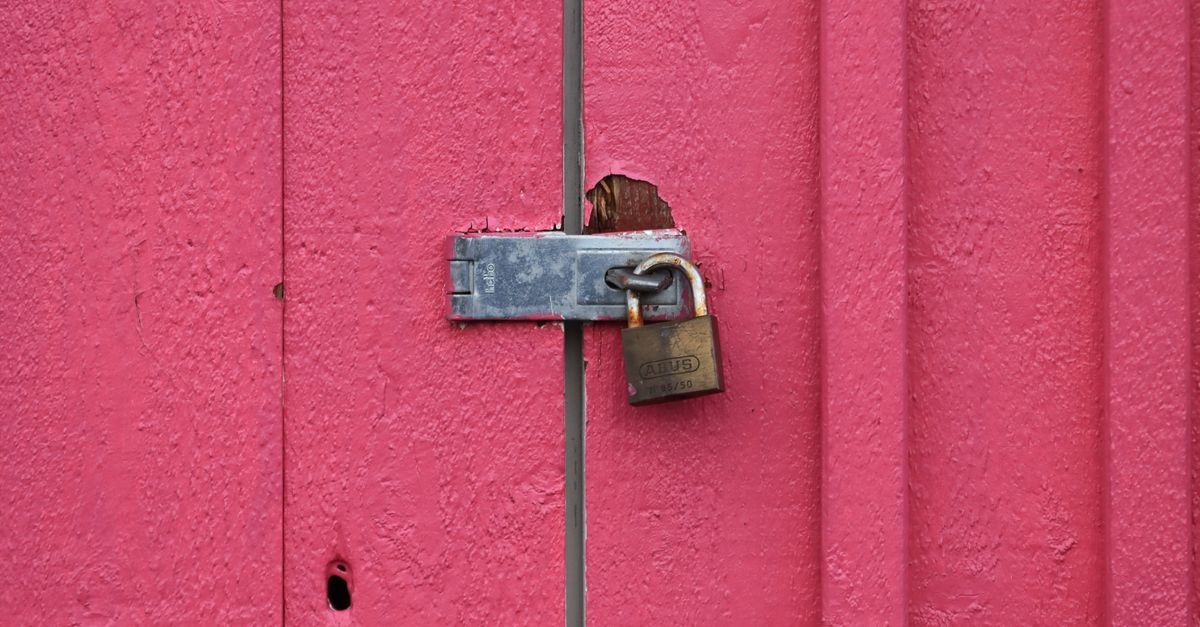
Whether you manage a two-family home in Rego Park or a twelve-unit walk-up near the 7 train corridor, our Queens locksmith team covers the full range of residential and commercial lock services. Here is what we handle: apartment door rekeying after tenant turnover, rim lock deadbolt installation and replacement, mortise lock deadbolt repair and installation, jimmy proof deadlock deadbolt installation, high-security cylinder upgrades including Abloy Protec2 and Bilock platforms, master key system design and installation for multifamily buildings, building entry door lock service and replacement, vestibule lock adjustment and repair, door closer coordination with latch and deadbolt alignment, strike plate reinforcement and deep-set installation, peephole installation and replacement, mailbox lock rekeying and replacement, padlock and hasp installation for storage and utility areas, emergency lockout response for apartment and building entry doors, broken key extraction from mortise and rim cylinders, lock cylinder cleaning and lubrication for seasonal maintenance, garage door lock service, sliding door lock and bar installation, window lock installation for ground-floor and garden units, intercom and electric strike troubleshooting (in coordination with intercom techs), door frame and jamb reinforcement assessment, smart lock installation and setup on residential doors, access control hardware installation for small commercial spaces, car lockout service for Queens residents locked out of their vehicles, and ignition and transponder key service for local drivers. Every service is preceded by an exact, confirmed quote — no surprises on the invoice.
Frequently asked questions
How often am I legally required to change the locks in my Queens rental apartment?+
New York City law requires you to rekey or replace apartment door locks each time a new tenant moves in. There is no set time interval beyond that, but best practice is to also inspect and service the lock hardware annually. If a tenant reports a lock malfunction — such as a mortise lock deadbolt stuck mid-throw — you are generally required under the Housing Maintenance Code to repair it within a reasonable timeframe, and that window shortens significantly if the issue affects the tenant's ability to secure their unit.
Can a tenant change their own locks in a NYC apartment?+
Yes, with important conditions. NYC law allows tenants to install an additional lock on their apartment door, provided it does not damage the door and that they provide the landlord with a copy of the key upon request. However, tenants cannot remove or replace the existing landlord-installed locks without permission, and landlords cannot change a tenant's locks without following lawful eviction procedures. If a tenant contacts you about wanting an upgraded cylinder — such as a jimmy proof deadlock deadbolt — the cleanest approach is to arrange for a professional locksmith to handle the installation so both parties have documented key copies and the work is done correctly.
What is the difference between a rim lock deadbolt and a mortise lock deadbolt for an NYC apartment door?+
A rim lock deadbolt surface-mounts on the interior face of the door and is the most common configuration in pre-war New York City apartment buildings. It is easier to install and replace without major door modifications. A mortise lock deadbolt is recessed into a rectangular pocket cut into the door edge and typically integrates a latch bolt and deadbolt in a single case, making it a more seamless fit for newer or heavier doors. Both can meet NYC Housing Maintenance Code requirements when properly installed. The right choice for your building depends on the door construction, thickness, and existing prep — a professional locksmith can evaluate the door and recommend the most secure, code-compliant option.
What factors affect the cost of a rekeying or lock replacement for my rental building?+
Several variables go into a final price: the type and brand of lock hardware being serviced or replaced, the number of units or cylinders involved, the condition of the existing doors and frames, whether any door prep work is needed, the time of day the work is requested, and travel distance to your property within Queens. Northern Blvd Locksmith confirms an exact price with you before any work begins, so you know what to expect. For building-wide rekeying projects, we can discuss the full scope during a quick call — reach us at 718-568-8697, available 24 hours a day, seven days a week.